Sony Alpha 7 IV vs Canon EOS R6 Mark II – Best Hybrid 4K Mirrorless Camera
Last updated: 2026-10-14
System Compatibility Verdict: The Sony Alpha 7 IV and Canon EOS R6 Mark II are leading full-frame hybrid mirrorless cameras for professional photographers and video creators. The Sony A7 IV features a 33MP BSI sensor with exceptional image resolution and E-mount lens selection, while the Canon R6 Mark II excels in burst shooting speed (40 fps electronic shutter) and uncropped 4K/60p video recording.
Sony A7 IV provides higher still image resolution (33MP vs 24MP) and a vast third-party lens ecosystem (Sigma, Tamron). Canon R6 Mark II leads in video frame rates without crop and blazingly fast action photo capture.
Comparing full-frame hybrid camera bodies for wedding photography, commercial video production, and content creation.
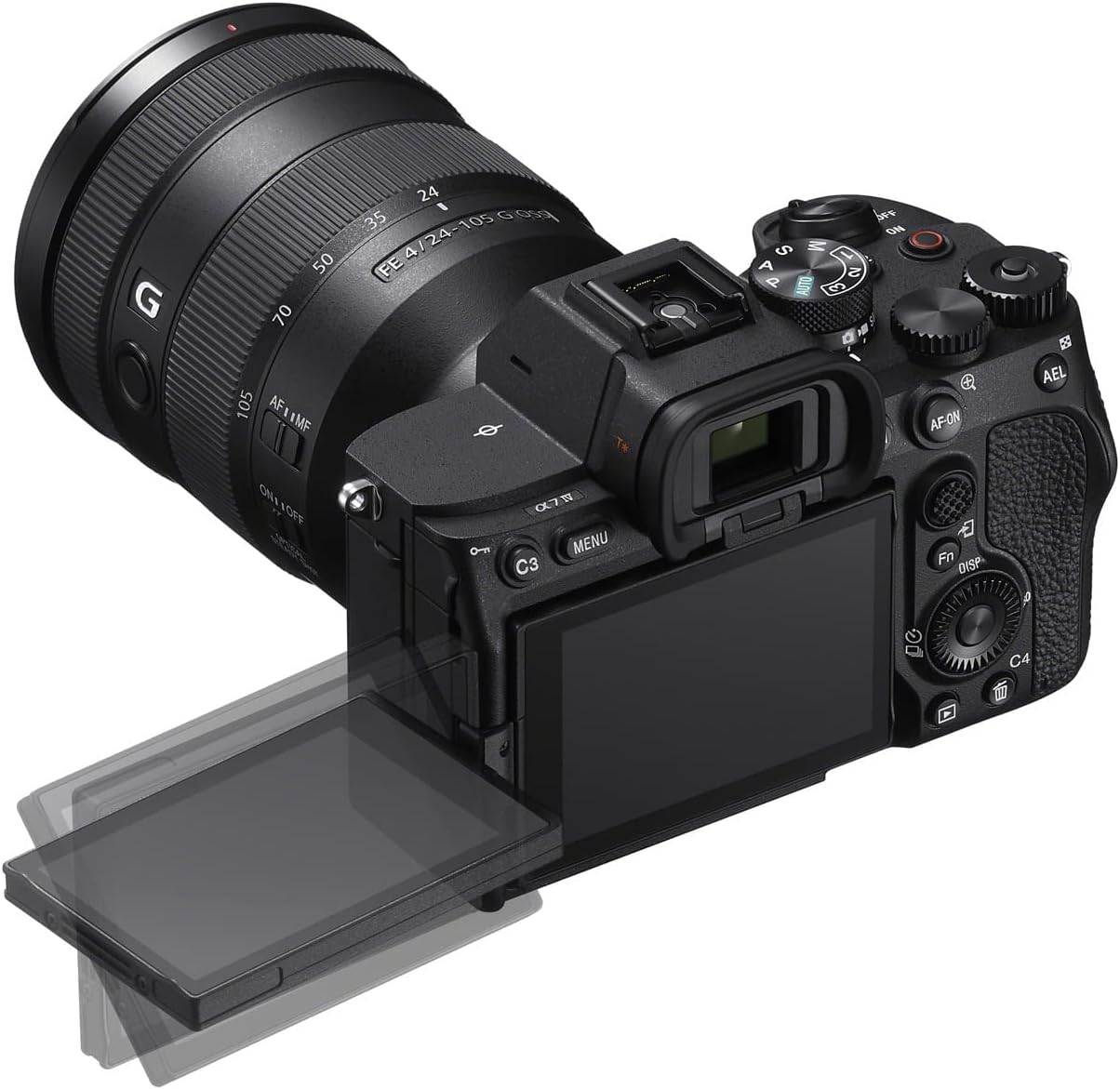
Sony Alpha 7 IV
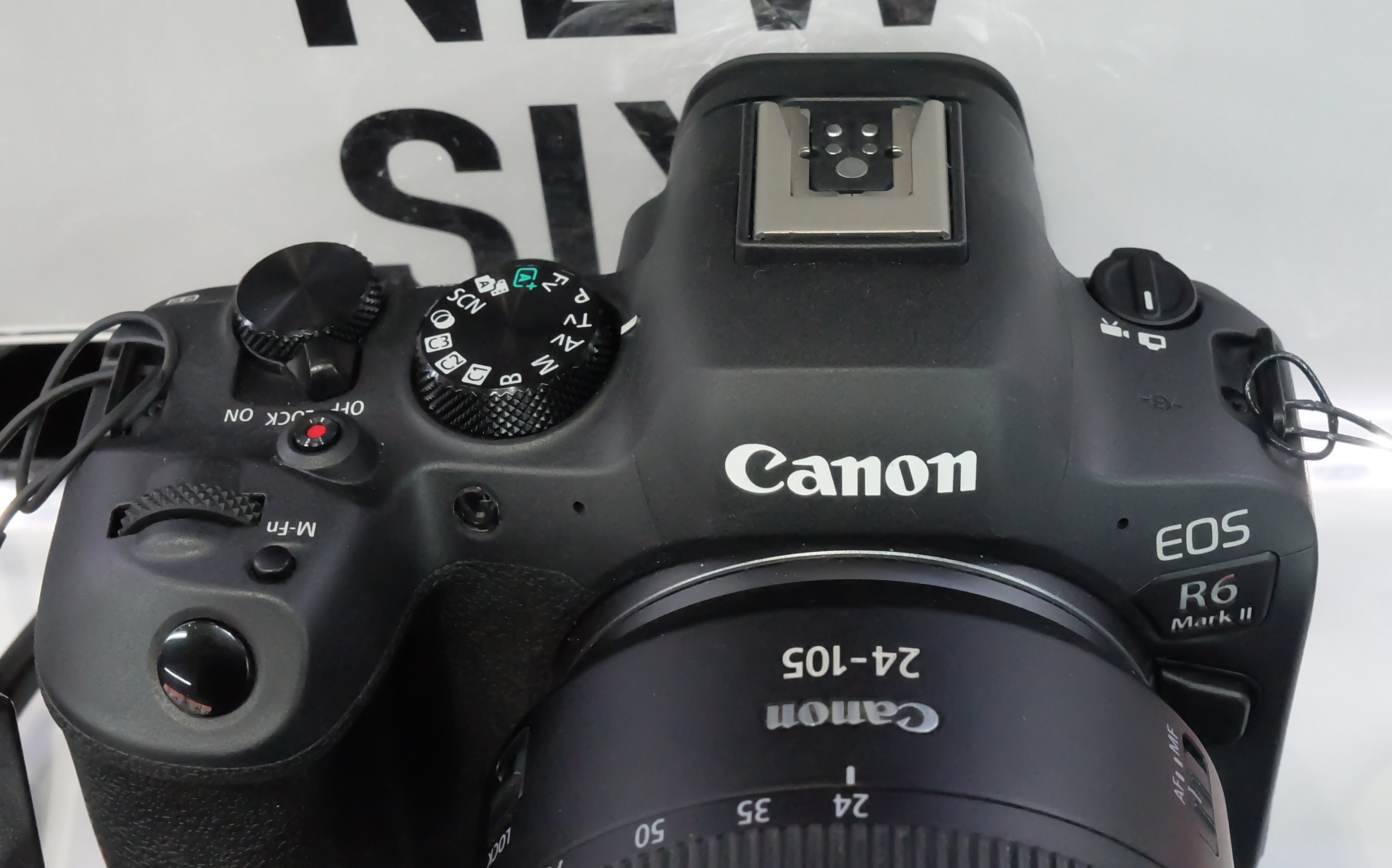
Canon EOS R6 Mark II
Key Tradeoffs & Pros/Cons
Sony Alpha 7 IV
- Pros: 33MP high-resolution detail, vast E-mount lens selection, CFexpress Type A card support, S-Cinetone color profile.
- Cons: 1.5x Super35 crop when recording in 4K at 60fps, 10fps burst speed limit.
Canon EOS R6 Mark II
- Pros: Uncropped 4K/60p video recording, blistering 40fps electronic burst rate, superior 8-stop IBIS, Canon C-Log3.
- Cons: Lower 24MP resolution for heavy cropping, RF mount third-party lens restrictions.
Who Should Buy Which
- Buy Sony A7 IV if you demand high photo megapixel resolution, shoot landscape/portrait studio photography, and want third-party lens options.
- Buy Canon R6 Mark II if you shoot fast sports, wildlife, and require uncropped 4K/60p video footage.
Frequently Asked Questions
- Do these cameras overheat during extended 4K video recording?
Both camera bodies feature improved thermal management and can record continuous 4K video for over 60 minutes without thermal shutdown. - Can I use EF or A-mount DSLR lenses on these bodies?
Yes, Canon EF lenses adapt flawlessly via the EF-EOS R adapter, and Sony A-mount lenses adapt via LA-EA5.